

- Homepage
- Our latest news
- Defence Manufacturing: How Dual-Use Technologies Are Reshaping European Industry
Defence Manufacturing: How Dual-Use Technologies Are Reshaping European Industry
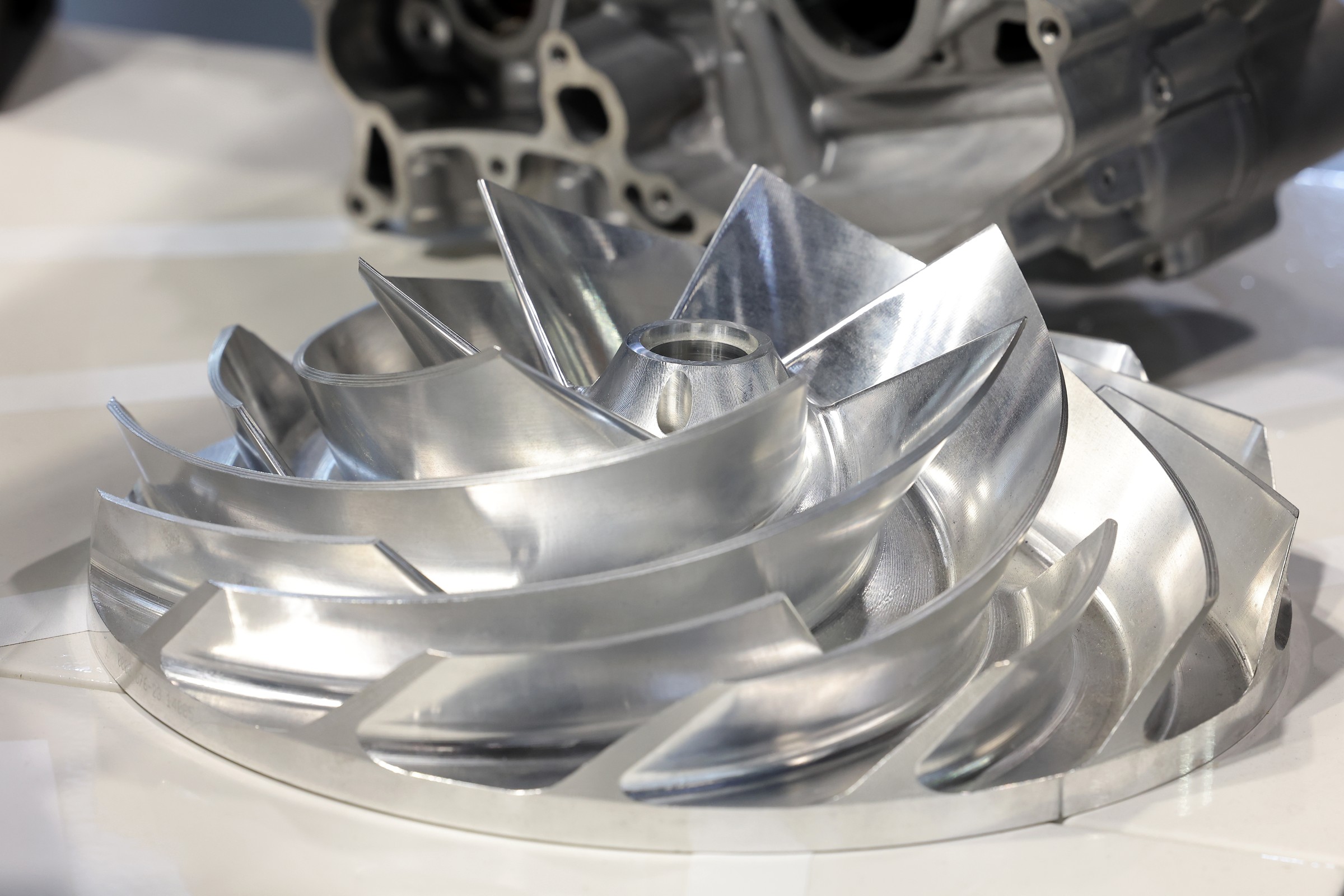
Technologies developed for civilian industries can also find applications in defence manufacturing. From robotics and electronics to advanced materials and artificial intelligence, many of the capabilities used in modern factories are relevant across both sectors.
This overlap is creating opportunities for manufacturers to explore new applications for their technologies, production processes and technical expertise.
For European companies, understanding dual-use technologies means looking beyond individual products to consider how existing industrial capabilities can meet different market requirements.
Where civilian and defence technologies overlap
Dual-use technologies can serve both civilian and military applications, although not every technology used across sectors is classified as a dual-use item under EU export-control rules.
The overlap is particularly visible in several industrial fields.
Drones, for example, combine sensors, batteries, electronics, communication systems and software. Computer vision can support both automated quality inspection and specialised monitoring applications. Advanced materials, precision components and additive manufacturing processes are also relevant across aerospace, transport and defence production.
These technologies illustrate how expertise developed for one industry can potentially be adapted to another.
European initiatives increasingly recognise this connection. In October 2026, the Council of the EU adopted the €115 million AGILE programme, which includes support for SMEs, start-ups and scale-ups adapting civilian technologies for defence applications. Its first call for proposals is expected in 2027.
Manufacturing capabilities across different sectors
Dual use is not limited to emerging technologies. Established manufacturing processes and technical expertise can also serve different industrial markets.
Precision machining, welding, electronics assembly, composite manufacturing and industrial automation are used in sectors with demanding technical specifications.
Several companies illustrate how these capabilities can be applied across civilian and defence industries.
French technology group Exail develops robotics, navigation and maritime technologies for both civilian and defence customers. Its activities demonstrate how expertise in autonomous systems, sensors and navigation can address requirements across different operating environments.
Advanced materials offer another example. Hexcel supplies carbon fibre, resins and other composite materials for commercial aerospace, defence, space and industrial applications. These technologies are used where manufacturers require specific combinations of strength, weight and durability.
Both examples highlight how industrial expertise can serve several markets, although technical specifications and qualification requirements may differ considerably.
Transferable expertise does not automatically mean a product is suitable for defence use.
Manufacturers must assess the specific technical requirements, production volumes, quality standards and qualification processes associated with each application.
Working with specialist partners or established suppliers can help companies understand these requirements before considering diversification.
What does entering a defence supply chain involve?
Defence manufacturing may involve additional requirements depending on the product, customer and destination market.
These can include material traceability, quality documentation, cybersecurity, information security and export-control compliance. Testing, certification and supplier qualification may also be necessary.
For manufacturers considering this market, the starting point is therefore a clear assessment of their existing capabilities and the adaptations required.
European funding programmes provide one route for companies developing relevant technologies.
The European Defence Fund has allocated €1 billion to collaborative research and development under its 2026 work programme. Its EU Defence Innovation Scheme includes measures designed to involve SMEs and emerging technology companies.
Such initiatives support research, collaboration and technology development. They do not, however, replace the technical and regulatory requirements associated with supplying defence customers.
Dual-use technologies and industrial diversification
For manufacturers, dual-use applications represent one possible route towards business diversification.
Technologies and production capabilities developed for civilian markets may be adapted to new industrial requirements, while experience gained in highly regulated sectors can contribute to improvements in quality, traceability and manufacturing processes.
The opportunities will vary considerably between companies. They depend on technical compatibility, investment requirements, market access and the ability to meet customer expectations.
Understanding these factors is essential when evaluating potential applications across sectors.
Dual-use manufacturing ultimately highlights the connections between technologies, industrial expertise and production capabilities. As applications evolve, collaboration between manufacturers, technology providers and specialist suppliers will remain an important part of developing solutions for different markets.
These shared industrial technologies and manufacturing capabilities are among the areas represented at Global Industrie 2027, taking place from 15 to 18 March at Eurexpo Lyon.